Hey everyone Chris here with another MCP Tech update. Over the past few days, I had the opportunity to cross train with one of our key generator partners. My generator training began online as I completed EGSA Apprentice Program. I was able to learn how the generators function and the maintenance that they require all from the seat of my chair. It also allowed me to see the other side of the emergency power system beyond the UPS. In our primary roles at MCP we usually work with UPS systems, however the two systems are just different sides of the same emergency power coin in critical power environments.
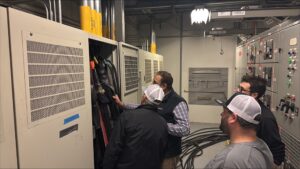
 I never realized at first how similar being a generator technician can feel to being a diesel mechanic. Changing the oil, handling fuel, learning about the engine, etc were just some of the reminders. There are some other types of fuels used such as propane, natural gas, gasoline, biodiesel, dual-fuel and tri-fuel. In the second phase of my training, I was hands-on. I was immersed in live maintenance scenarios with diesel and propane generators. It was very interesting to see the differences in how they work and how similar they are even with different fuel types. I also learned how different maintaining a UPS is from maintaining a Generator. For those unfamiliar, a Generator is more like car maintenance where a UPS is more like IT maintenance or more components vs fuels in generators.
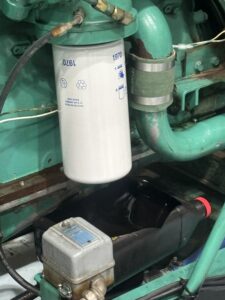
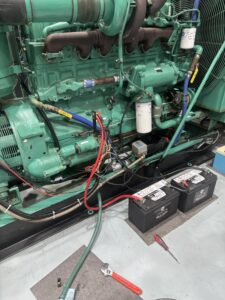
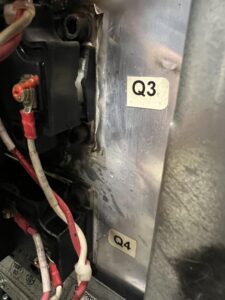
Learning the proper steps of maintaining a generator is both educational and practical. Sometimes the cause for a generator to not properly kick on can be as simple as not running your generator under a test load. Depending on conditions you might want to run them once a week. It is amazing what could potentially find its way into a generator system without proper maintenance. One of the stories I heard was of several mice or rats getting into the system and eating the wiring to the generator and that stopped the machine from running. Thankfully this was caught and fixed before the customer needed to have their system kick in to cover their load. Tidbits like this in my cross training can be extremely valuable. When Team MCP is onsite at a client site as we often hear about generator challenges and it’s great to have a general understanding of their maintenance/operations when in the field. I appreciate that MCP takes a training approach that includes generator basics to develop its UPS techs.
Most companies and businesses have generators, but a lot don’t always have a dedicated UPS. In a recent site visit, a campus cluster had generators in place but no UPS. This was a pain point due to security access for doors and other key components. Through this training I was able to learn that even if you have a generator there can be instances where you can still lose power even for a little while when the generators take a few moments to kick on. In some cases, this temporary loss of power can be detrimental to your company and/or clients. There can also be a situation where you might have your generator being serviced and having a complete fluid change (oil, coolant, fuel) when a situation arises where you lose power. The last thing you would want to worry about is your system either not having a proper backup or it has an inefficient amount of backup when you have a generator go down.
The UPS systems can assist in covering the loss of power coming from a generator failure. Now some people might think that a generator is all they need, however, the UPS is what can ensure reliability in a worst-case scenario. In my opinion I would rather have two systems I never needed than to have only one system and it doesn’t work. One word simplifies this: redundancy. UPS systems depending on design, customer load, and number of batteries can last anywhere from a few minutes to a few hours depending on design and runtime needs. It is always better to be safe and secure than realize you must deal with a catastrophic situation relating to a loss of load or critical security functions.
Having this experience really showed me how the two systems work hand and hand. To me if you have a generator, you should also have a UPS system as well. In the case of a hospital or other life safety critical infrastructure if you have a generator down and must choose which machines will be powered and which will need to go offline due to lack of power it can greatly affect yourself and your business. These are some of the questions that people will only ask once their system goes down and then they try to pick up the pieces. So hopefully this little snippet will help some of you in the future.
The big thing with any of these emergency power systems is proper maintenance. The last thing you want is to have your site go into a situation where you do not have any power. If you have any questions about critical power, maintenance best practices, or how Team MCP can help you in the future, just reach out to me at operations@missioncriticalpowerga.com.
Hopefully this post might share some insight for those of you who are looking for new UPS systems or to enhance your current plans. Feel free to reach out to me or team MCP for any of your emergency power needs. We are a 24/7/365 company, and we strive to ensure that our customers stay powered up and online.
Thanks for following along with a DIML as a UPS Tech at MCP. -Chris Collins, Operations